Saudi Arabia Weighs Heavy Costs as Retaliation Against Houthi Advances Looms
The swift advance of Iran-backed Houthi rebels in Yemen and recent attacks on critical Saudi infrastructure have left the Gulf kingdom with few retaliatory options, all of which carry severe regional consequences. — RIYADH, Saudi Arabia, Sept. 13, 2026
By By Nadeen Ebrahim | Shemnews · 13 Sept 2026 · 4 views
Saudi Arabia Weighs Heavy Costs as Retaliation Against Houthi Advances Looms
The swift advance of Iran-backed Houthi rebels in Yemen and recent attacks on critical Saudi infrastructure have left the Gulf kingdom with few retaliatory options, all of which carry severe regional consequences. — RIYADH, Saudi Arabia, Sept. 13, 2026
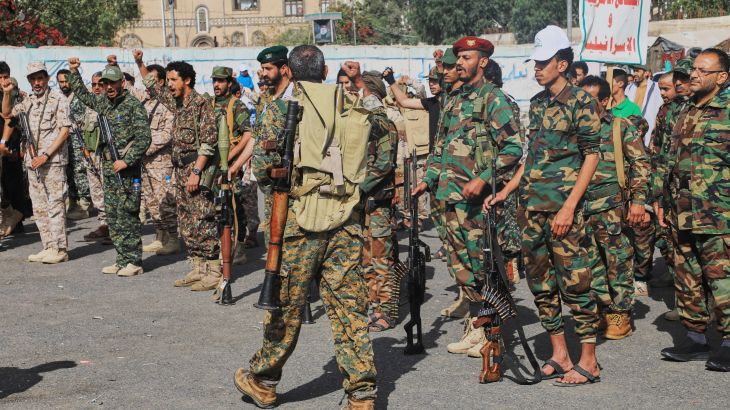
In expert analyses and official statements made available to Shemnews, signs increasingly point toward a large-scale Saudi retaliation. Despite Riyadh's preference to avoid an all-out war, the Houthis’ emboldened capture of the strategic Perim Island and the Red Sea port of Mocha has pushed the kingdom into a corner as the rebel group seeks control over the Bab al-Mandeb strait.
The kingdom is navigating a highly volatile geopolitical landscape, with key factors including:
* Pipeline Attack and Oil Disruption: Saudi Arabia's East-West pipeline was recently shuttered following a drone attack originating from Iraq.
The kingdom had been utilizing this pipeline to reroute 5 million barrels of oil per day after the US-Iran war effectively closed the Strait of Hormuz. US President Donald Trump pointed the finger at Tehran for the drone strike, as Iranian proxies are known to operate in Iraq.
* Limited US Military Involvement: President Trump declined a request from the Saudi crown prince to directly strike the advancing Houthis.
Trump noted that the rebels contacted his administration to indicate they prefer the US stay out of the conflict. While the US has deployed around 100 military advisers to provide intelligence support, former Saudi adviser Nawaf Obaid clarified that Riyadh only requested intelligence assistance, not American airstrikes.
* The Risks of Escalation: Cinzia Bianco of the European Council on Foreign Relations warned that if Riyadh goes "all in," the conflict could easily drag in Iran and merge into the broader US-Iran war. Conversely, risk adviser Mohammed Al-Basha noted that yielding to Houthi demands to end the kingdom's 12-year blockade would amount to an expensive submission and essentially mean surrender.
* Imminent Military Push: Saudi geopolitical analyst Salman Al-Ansari stated that the Saudi-backed military campaign against the Houthis is already underway and is expected to intensify substantially in the coming days.
However, he emphasized that Riyadh will not launch an all-out war without firm and unequivocal international support.
While the Saudi foreign ministry stated it has chosen not to respond immediately to the pipeline attack to support the Iraqi government's efforts, it reserves the right to take all necessary measures to safeguard its sovereignty.
By Nadeen Ebrahim | Shemnews
More stories