
UK Households Urged to Stockpile Food Ahead of 'Supersized' El Niño Threat
What UK households should stockpile for an El Niño emergency: water, shelf-stable food, medicines and practical supplies, plus expert warnings.
Newsroom · 4 Sept 2026 · 9 views
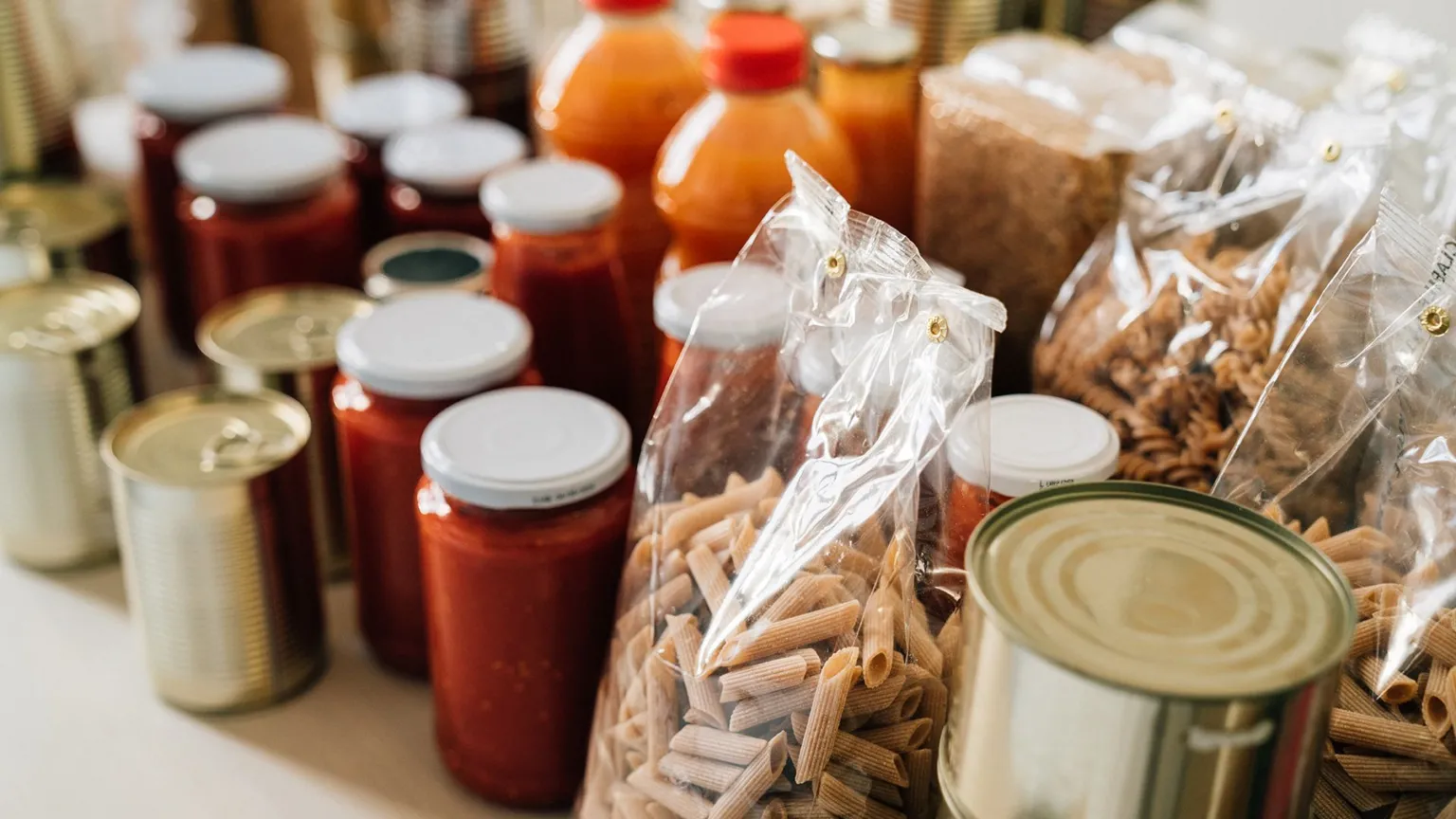
UK households are being urged to keep a sensible emergency supply of food, water and essential items as a potentially powerful El Niño raises concern about extreme weather and disruption to Britain''s food supply chain.
Environment Secretary Dame Angela Eagle warned that the natural climate pattern could contribute to drier summers, wetter winters and more severe storms. “We’re about to experience probably the largest El Niño that has ever been seen,” Eagle said, explaining that a small reserve of food could help families cope while waiting for emergency services during a crisis.
What should UK households stockpile?
Households do not need to panic-buy. A practical emergency kit should contain enough essentials for several days and should reflect the number, ages and health needs of everyone at home. Useful supplies include:
• Drinking water: keep at least three litres per person per day, with more where possible for cooking and hygiene.
• Ready-to-eat food: choose tins, pouches and other shelf-stable foods that need little or no cooking, such as canned beans, fish, fruit and soup, UHT milk, cereal, crackers and nut butter.
• Special dietary supplies: include allergy-safe foods, infant formula or baby food, and suitable items for older or medically vulnerable relatives.
• Medicines and first aid: maintain necessary prescription medicines where permitted, along with a basic first-aid kit and copies of important medical information.
• Pet supplies: store food, water and any regular medication needed by household animals.
• Power-cut essentials: keep a torch, spare batteries, a charged power bank, a battery or wind-up radio, matches and a manual can opener together in an accessible place.
• Hygiene items: include soap, hand sanitiser, toilet paper, sanitary products and rubbish bags.
UK preparedness guidance advises people to build supplies gradually rather than emptying supermarket shelves. Check expiry dates, rotate food into normal household use and replace what is consumed. Store water and food in a cool, dry place, and choose items your household already eats.
Why are food shortages a concern?
A National Audit Office report warned that Britain''s food system faces overlapping threats from extreme weather, climate change, cyber-attacks, disease outbreaks and international disruption. It said the Department for Environment, Food and Rural Affairs had relied too heavily on the private sector to manage supply-chain shocks.
The report also highlighted the financial risk. Disruption to production, transport or refrigeration can reduce availability and push grocery prices higher, with low-income and medically vulnerable households likely to feel the effects first.
Britain''s preparedness was contrasted with countries including Finland and Sweden, where household emergency planning is more established. The warning does not mean a nationwide shortage is certain; it is a call to prepare for short interruptions before they happen.
Cold Chain Federation chief executive Phil Pluck said Britain was “pretty close to crisis” because shipping disruption, cyber threats and extreme weather can strike the food system at the same time. He supported sensible household preparation and warned against assuming private companies could resolve every emergency alone.
What to do before severe weather
Start with a written household plan. Note emergency contacts, identify anyone who may need additional help, know how to turn off utilities and agree where family members will meet if communications fail. Keep alerts enabled on a mobile phone and follow official weather, council and emergency-service updates.
When severe weather is forecast, top up only what is needed, charge devices and check on neighbours who may be vulnerable. Avoid panic buying: sudden bulk purchases can create the shortages households are trying to prepare for.
The government is expected to provide further advice on food and water resilience. A Defra spokesperson said the department was considering the National Audit Office recommendations and working with farmers and the food industry to strengthen the system.
The central advice is preparedness, not alarm: a modest, regularly rotated supply of water, food, medicine and power-cut essentials can help a household remain safe during a short disruption.
More stories