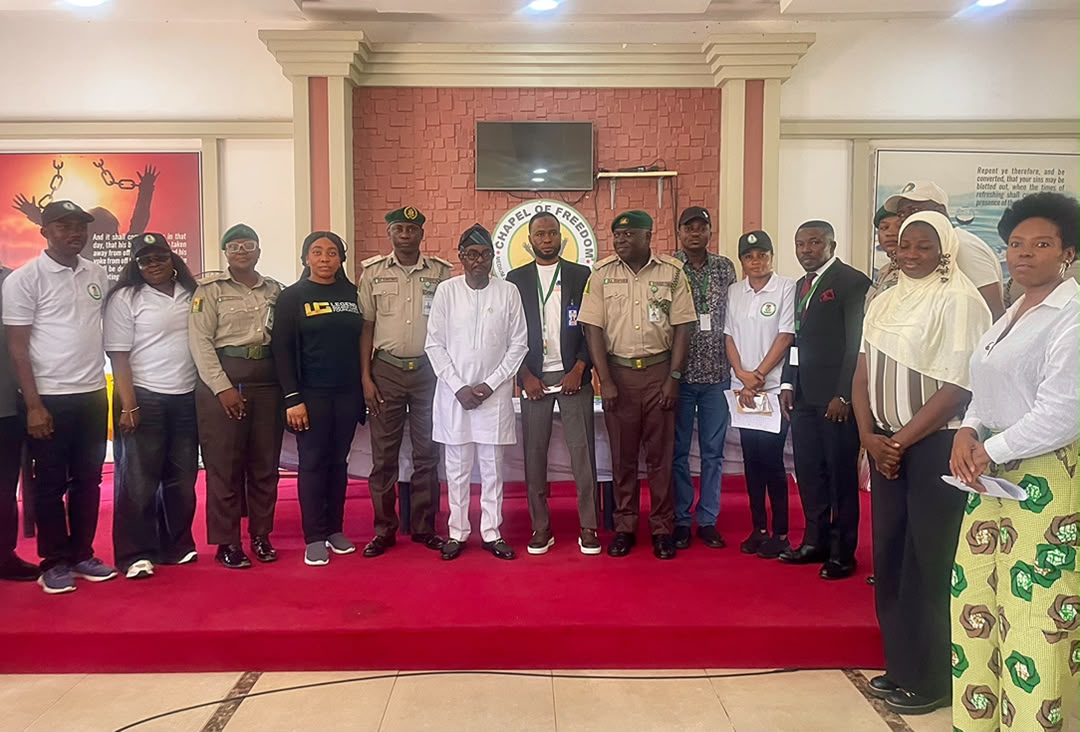
Nigeria Moves to Ease Prison Congestion as PRAWA Champions New Parole Reforms in Abuja
A newly operationalized parole system in Nigeria's capital is expected to significantly reduce severe prison congestion and promote structured offender rehabilitation, according to the advocacy group Prisoners Rehabilitation and Welfare Action (PRAWA). — ABUJA, Nigeria, Sept. 14, 2026
By Adebayo Gbeja | Shemnews · 14 Sept 2026 · 22 views
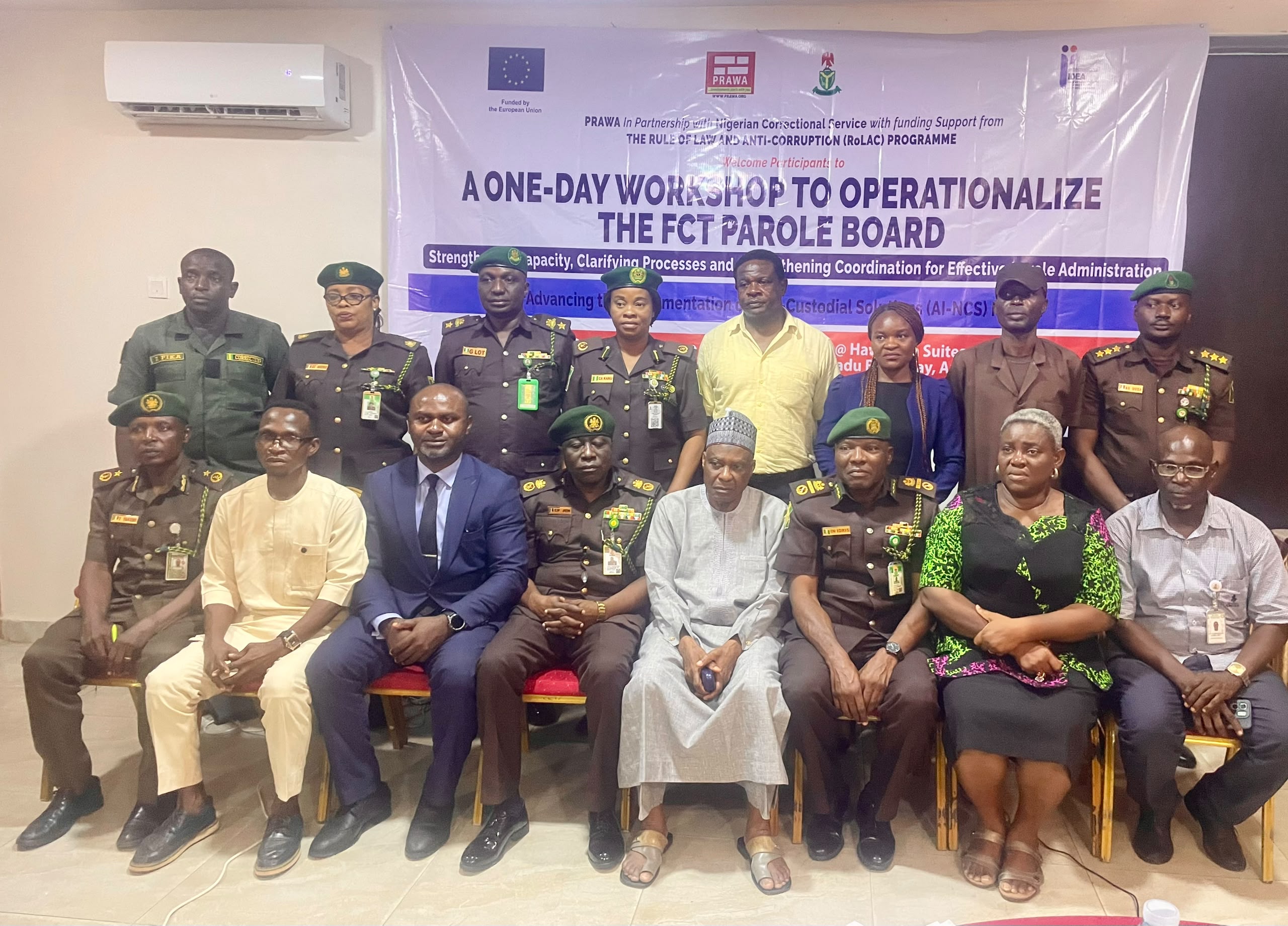
Nigeria Moves to Ease Prison Congestion as PRAWA Champions New Parole Reforms in Abuja
A newly operationalized parole system in Nigeria's capital is expected to significantly reduce severe prison congestion and promote structured offender rehabilitation, according to the advocacy group Prisoners Rehabilitation and Welfare Action (PRAWA). — ABUJA, Nigeria, Sept. 14, 2026
In statements made available to Shemnews on Monday, PRAWA President Dr. Uju Agomoh highlighted the strategic benefits of the program during a workshop aimed at operationalizing the Federal Capital Territory (FCT) Parole Board. The event, organized under the Advancing the Implementation of Non-Custodial Solutions (AI-NCS) project, brought together justice sector stakeholders to improve parole administration and transition eligible offenders back into the community under strict supervision.
“I prefer a situation where people come out through the parole process than they do normally after the completion of their sentence,” Agomoh explained, noting that structured reintegration is far safer and more effective than an abrupt return to society.
Key dynamics of the renewed parole initiative include:
* Strategic Resource Allocation: By granting conditional releases to eligible inmates, the Nigerian Correctional Service (NCoS) can focus its strained resources on high-risk individuals who require continued custody, while encouraging good behavior among the wider prison population.
* Public Safety and Risk Assessment: Authorities will heavily prioritize public safety through rigorous risk assessments before granting parole, evaluating the level of social support available to offenders in their local communities.
* Overcoming Past Hurdles: ACG Ibrahim Idris, DCG of Corrections covering Non-Custodial Service, revealed that previous efforts to operationalize parole in the FCT failed to produce a single paroled inmate. With a newly reconstituted board and targeted capacity building, officials are optimistic about imminent breakthroughs.
* International Backing: The International Institute for Democracy and Electoral Assistance (IDEA) is actively supporting the AI-NCS project, urging stakeholders to finally translate the parole provisions of the 2019 NCoS Act from mere legal text into operational reality.
Moving forward, FCT Parole Board Chairman and retired Justice Abbazih Saddeeq assured the public that the board will balance rehabilitation with community safety, ensuring the system is implemented fairly, transparently, and effectively.
By Adebayo Gbeja | Shemnews
More stories