Nigerian Government Rejects Fuel Subsidy Return, Unveils Comprehensive Relief Measures Amid Global Energy Shock
The Federal Government has firmly rejected calls to restore fuel subsidies, warning that such a move would destabilize the economy and threaten public services in the face of a global energy crisis. ABUJA, Nigeria, Oct. 8, 2026
By Nana Musa | Shemnews · 8 Oct 2026 · 3 views
Nigerian Government Rejects Fuel Subsidy Return, Unveils Comprehensive Relief Measures Amid Global Energy Shock
The Federal Government has firmly rejected calls to restore fuel subsidies, warning that such a move would destabilize the economy and threaten public services in the face of a global energy crisis. ABUJA, Nigeria, Oct. 8, 2026
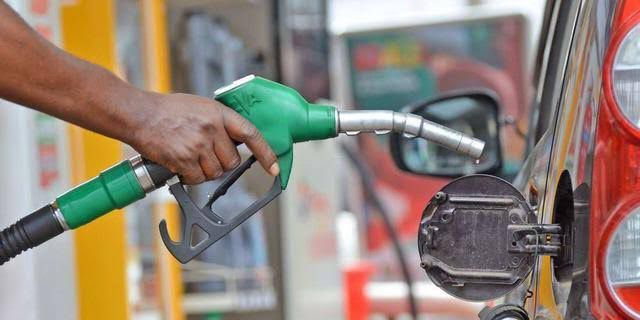
In details made available to Shemnews during a high-level strategic engagement with Ministries, Departments, and Agencies (MDAs), Minister of Finance and Coordinating Minister of the Economy Taiwo Oyedele explained that recent price hikes are driven by international conflicts and supply disruptions, with Brent crude surging past $100 per barrel. The global shock has pushed local petrol prices from approximately N830 to N1,400 per liter.
To mitigate the impact on vulnerable Nigerians without reintroducing a fiscally unsustainable subsidy—which would cost the government over N20 trillion annually Oyedele announced a series of strategic interventions:
Temporary Pump Discount: The government has introduced a 30-day margin discount on petrol sold at NNPC stations, prioritizing public transport operators to immediately lower commuting costs.
Cost Ceiling Implementation: A negotiated N1,350 per liter ceiling on petrol ex-gantry or landing costs will be enforced and reviewed monthly to reduce price volatility without imposing permanent price controls. Strategic Fuel Reserve: A National Strategic Fuel Reserve will be established to release refined products during major disruptions or instances of market hoarding. Excess Profit Tax: The government is considering levying an excess profit tax on energy operators taking undue advantage of consumers, with proceeds funding transport assistance and vouchers for urban minimum-wage earners. CNG Expansion: The state will accelerate the deployment of Compressed Natural Gas (CNG). Over 120,000 vehicles currently run on CNG across 400 conversion centers, and 550 newly deployed CNG buses have reduced transport fares by up to 50% in operating areas. Tax and Duty Waivers: Existing waivers on petroleum products are already saving consumers between N400 and N600 per liter, representing more than N5 trillion in forgone government revenue.
Oyedele noted that removing the subsidy originally released N15.8 trillion to the Federation Account between June 2023 and December 2025, enabling state and local governments to meet their financial obligations. He assured citizens that the administration is collaborating with state governments to eliminate illegal logistics levies and developing fiscal measures aimed at sustainably reducing inflation to single digits.
By Nana Musa | Shemnews
More stories